

It’s fascinating how easily certain practices become spiritual “rules” without anyone questioning them. Over time, traditions can turn into doctrine, and people start to feel guilty for not following rituals that were never commanded in the first place.
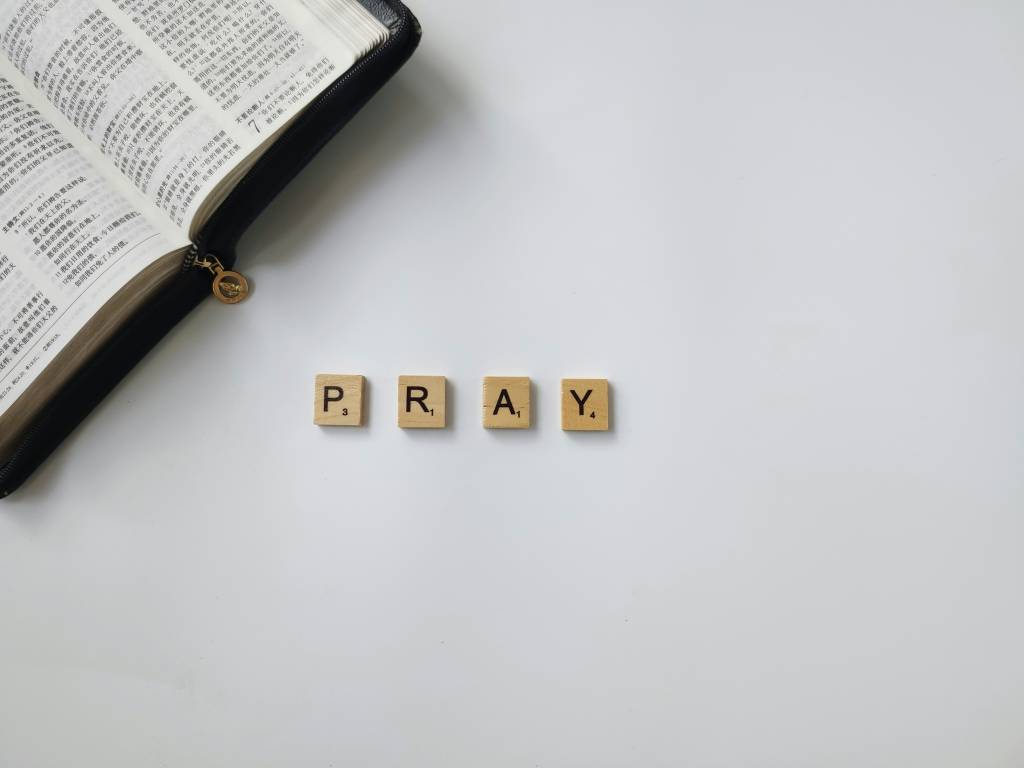
One common example? Praying with your eyes closed.
Many of us were taught that closing our eyes during prayer is the proper or reverent way to do it. But have we ever stopped to ask why we do it? The truth is simple: we close our eyes to avoid distractions. That’s it. It’s a practical choice, not a spiritual law. It’s similar to what Jesus meant when He said to go into your “closet” to pray (Matthew 6:6)—He was talking about focus, not posture.
The truth is that God is more concerned about the position of your heart than the posture of your body. He is more interested in how aligned your heart is with Him than how you position your body.
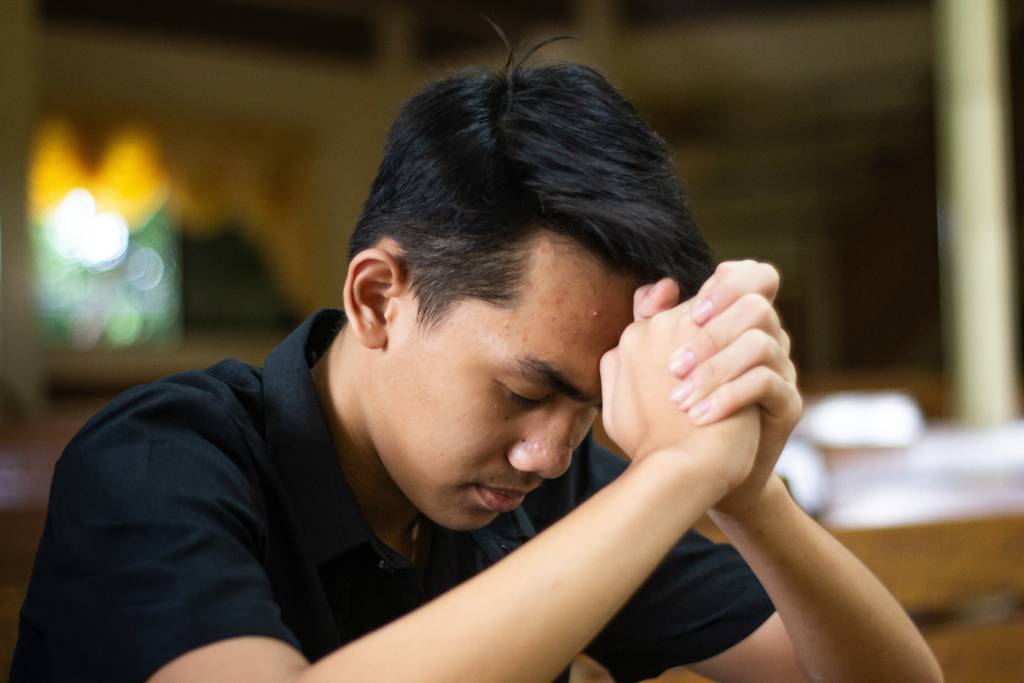
But here’s the thing: some people actually get more distracted when they close their eyes. Their mind wanders, or they fall asleep. Others can’t focus if they’re sitting still; so, they need to pace while they pray. Some pray best while standing, kneeling, walking, or even lying down. You just have to do what works best for you. Bowing your head can mean humility or shame. Looking up to heaven can mean dependency or arrogancy. Since God’s looks at the heart every time; then, He is able to decide what the posture means to Him.
The truth is that God is more concerned about the position of your heart than the posture of your body. He is more interested in how aligned your heart is with Him than how you position your body.
The Bible is full of diverse examples showing that there is no single “correct” posture in prayer.
- Jesus knelt down to pray in the Garden of Gethsemane (Luke 22:41).
- Hannah prayed silently with her lips moving—so silently that Eli thought she was drunk (1 Samuel 1:13).
- David sat before the Lord in prayer (2 Samuel 7:18).
- Elijah bent down to the ground with his face between his knees (1 Kings 18:42).
- Paul and Silas prayed and sang while chained in a prison (Acts 16:25).
- Jonah prayed from inside the belly of a fish (Jonah 2:1).
- The apostle Paul encouraged believers to lift holy hands in prayer: “I desire then that in every place the men should pray, lifting holy hands without anger or quarreling.” — 1 Timothy 2:8 (ESV). But lifting hands isn’t a rule—it’s a way of expressing surrender, praise, or openness to God. The same can be said for kneeling (reverence), lying prostrate (desperation or humility), or walking (focus and engagement). Sometimes, posture reflects the emotion behind the prayer—but it’s never a requirement for it to be heard.
None of these prayers were rejected because of posture. What mattered was the sincerity of the heart.
Some pray best while standing, kneeling, walking, or even lying down. You just have to do what works best for you.
You can pray: with eyes open or closed, kneeling, standing, walking, or lying down, in your room, at your desk, in the shower, in your car, or on a bus. What matters most is not the position of your body—but the posture of your heart.
